
A few days ago, I came across a video about a Taiwanese family living in Jinshan, a quiet coastal town north of Taipei. Their story wasn’t about financial success, career progression/breakthroughs, or grand ambitions. Instead of chasing after wealth, status, or career, they prioritized something far more precious – time, balance, and fulfillment. It was about deliberate simplicity, contentment, and breaking free from societal norms.
Watching them, I felt something stir within me. It wasn’t just admiration, rather it was a kind of deep respect, maybe even longing. In a world that constantly pushes us to achieve more, earn more, and accumulate more, they have chosen a different path. And somehow, their life seemed fuller, not emptier.
Their story struck me deeply. In a world where we are constantly pushed to achieve more, earn more, and do more, this family has done the opposite. They have stepped away from societal expectations and built a life centered around what truly matters to them. Watching their journey made me reflect on Ikigai, the Japanese concept of finding purpose, and how their story beautifully embodies this philosophy.
It is about what you love, what you’re good at, what the world needs, and what you can be paid for.
The Story That Left an Impression
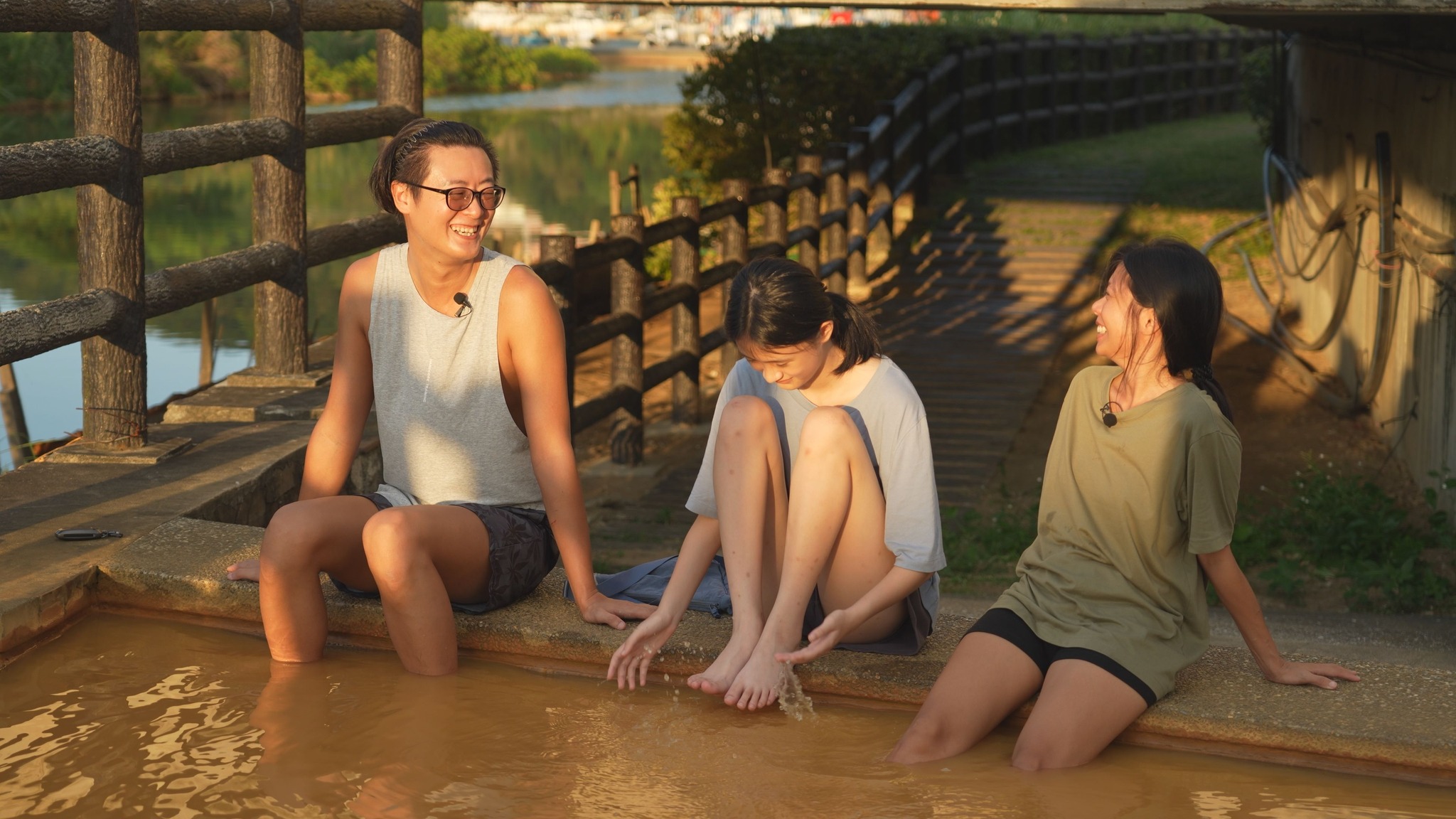
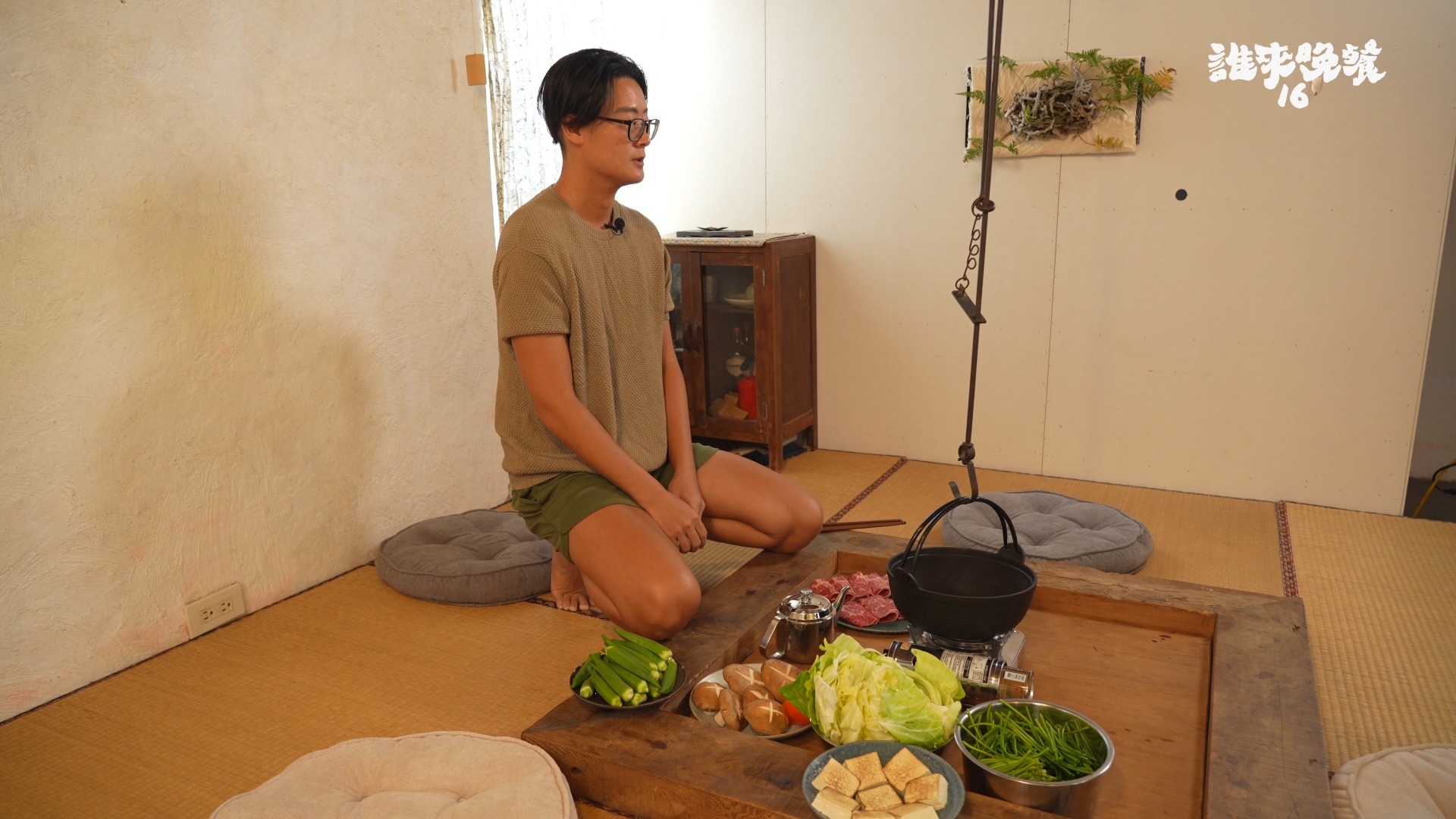
This family – a husband, wife, and their daughter, chose to live in a modest home by the sea, away from the pressures of city life. The husband works in a pottery factory, not because he has ambitious career aspirations, but because it gives him stability. The wife makes handmade soaps, enjoying the creative process while contributing to their simple way of living.
They do not crave material wealth. They do not chase promotions. They do not believe that success is defined by how much money you make, but rather by the quality of life you create.
I found this utterly fascinating.
Not because I want to leave everything behind and live by the sea – though I won’t deny the thought crossed my mind for a second, but because it challenged the deeply ingrained belief that we should always be striving for something more.
And yet, here they are. Not striving, just being. And being deeply happy.
Ikigai: The Japanese Philosophy of Purpose
The concept of Ikigai suggests that true fulfillment comes when you find harmony between different aspects of life. It is often visualized as the overlap of four key elements:
What you love (passion)
What you are good at (vocation)
What the world needs (mission)
What you can be paid for (profession)
When all four align, you have found your Ikigai, your purpose, the thing that gets you up in the morning with enthusiasm. But what makes this Taiwanese family so intriguing is that they embody Ikigai not just through work, but through the entirety of their existence.
How This Family’s Life Aligns with Ikigai
1. What They Love (Passion): Living in Sync with Their Values
At first glance, their life seems unconventional. The husband works in a pottery factory, the wife has chosen to craft handmade soaps and they live in a small home by the sea, spending time together and appreciating life’s little moments. This family has chosen a life that reflects their deepest values: simplicity, connection with nature, and personal freedom. They work not for the sake of working or saving for luxury but to enjoy nature, create handcrafted items, and spend meaningful time with family.
Many people go through life without ever stopping to ask themselves: What do I actually love? This family knows exactly what they love, and they have built a life around it.
2. What They Are Good At (Vocation): Mastering the Art of Enough
The husband is not aiming to become a top executive; instead, he chooses a stable job in pottery that allows him to support his family without overwhelming stress. The wife embraces craft-making, a skill that gives her joy and creative expression.
But what I admire most is their ability to master the art of “enough”. They don’t need excess – they just need enough to be comfortable, enough to be happy, enough to live freely.
This is a lesson many of us struggle with. In a world where ambition is celebrated, we are often told to keep pushing for more. Yet, they remind us that sometimes, what we have is already enough.
3. What the World Needs (Mission): Challenging the Traditional Definition of Success
They quietly rebel against societal norms, valuing time over money, well-being over stress, and joy over status. In doing so, they are showing that another way of living is possible, one where we don’t just work to survive but live to enjoy life.
4. What They Can Be Paid For (Profession): Earning Just Enough for a Good Life
The husband’s stable job and the wife’s handmade crafts bring in just enough to sustain them.
Many people believe that happiness comes from financial abundance. But this family proves that happiness comes from financial sufficiency, from having enough to live the life you desire, without excess stress or pressure.
They embody the Japanese concept of “chōdo ii” (ちょうどいい), which means “just right – not too much, not too little.”
Lessons from Their Ikigai-Inspired Life
This family’s story made me reflect on my own journey. While I am on a different path, I see parallels in my constant search for fulfillment, reinvention, and balance.
Here are the lessons I took away from them:
💡 Success is not just about money—it’s about how you define a fulfilling life.
💡 You don’t have to follow the traditional path of ambition if it doesn’t make you happy.
💡Society’s expectations are not rules – That you can choose your own path, you don’t have to follow society’s script
Many of us grow up believing that we must follow a specific path, study hard, get a high-paying job, buy a house, and climb the corporate ladder. But what if that path doesn’t bring us joy?
This family rewrote the script by choosing fulfillment over financial ambition, balance over burnout, and simplicity over stress.
💡 Financial sufficiency, not excessive wealth, is enough to live well.
Many of us believe that happiness is tied to financial success but this family reminds us that security matters, but excess wealth is not necessary for a fulfilling life. Instead, having time, relationships, and a sense of purpose is what truly matters.
💡 Slowing down doesn’t mean failure – it means being intentional with your time.
In today’s fast-paced world, we are always rushing to the next milestone, to the next job, the next promotion, the next big achievement. But what if slowing down actually enriches our lives?
This family has embraced a slower, more mindful way of living, where they can appreciate small moments, watching the waves, making a meal together, or simply sitting in silence.
💡It’s okay to step away from the race and live a life that feels right for you.
Final Thoughts: Finding My Own Ikigai
Watching this family’s story, I felt a mix of admiration and introspection. Their choices, while unconventional, reflect a level of clarity and courage that many of us hesitate to embrace. I admired their courage, their simplicity, and their ability to ignore societal pressures.
I won’t say I’m ready to pack my bags and move to a seaside town just yet, but I do think there’s something profound in their way of living.
They remind me that Ikigai is not just about work – it’s about crafting a life that feels meaningful, intentional, and whole. It made me reflect on my own choices – the way I’ve navigated career shifts, moved across countries, and redefined success for myself. It reminded me that it’s okay to step away from what’s expected and build a life that feels authentic.
So, maybe the question we should all be asking isn’t:
“What’s next in my career?”
But rather:
“What kind of life do I actually want to live?”
And maybe, just maybe, the answer is simpler than we think.
As I continue my journey, I carry this family’s story as a reminder that Ikigai isn’t about chasing more but about discovering what truly matters.
Would you ever consider a simpler, more intentional life? What does Ikigai mean to you? Let me know your thoughts!
I hope the article provided a greater understanding of ikigai, and I wanted to leave you with a free Purpose Framework worksheet so you can have a go at mapping yours.
You can absolutely work on this worksheet on your own or if you’re feeling stuck and want to talk it out with someone, book a KoPlay Discovery Play Session with me at david@saltnpepper.sg.